|
Using Your Spa - A Guide to Safe Soaking
Enjoyment and safety should always go hand in hand with your spa.
It is your responsibility to be sure that you, your family and
friends use the spa or hot tub sensibly. A safe spa can give you
many years of fun and relaxation – be sure that good times are safe
times!
Supervision
Having an adult present and
supervising any spa or pool activities, regardless of ages and
abilities, can be your first defense against injuries and mishaps.
There is no substitute for competent, constant adult supervision.
Soaking Rules
Establish and enforce spa rules
and post them visibly near your spa so everyone knows them. Rules
should cover things such as: no jumping or diving, length of time
allowed for a soak, consumption of alcoholic beverage, handling of
chemicals, etc. All soakers should also fully understand how to
operate the controls, including how to cut power to the motors.
Who Shouldn't Soak
Pregnant women, or people
with heart disease, high or low blood pressure or any serious
illness should not enter the spa without prior consultation with
their doctor. Those with skin, ear, genital or other body
infections, open sores or wounds should not use the spa because of
the possibility of spreading infection. It is also best not to soak
immediately after eating a heavy meal.
Soak With a Buddy
It’s always safer (and
usually more fun too!) to soak with another person. Never use the
spa or hot tub when you’re alone.
Little Soakers
Never leave a child
unsupervised and out of eye contact in or near the spa – not even
for a second. If you must leave the spa area, even momentarily, take
your child with you. Discretion is advised in allowing children to
use spas and hot tubs, since their young bodies may not adjust well
to the high temperatures. If in doubt, check with your doctor.
Some Like It Hot
Be sure you check the water
temperature before entering to prevent scalding. The maximum water
temperature should never exceed 104ºF (40ºC). High water
temperatures can elevate your body temperature and the temperature
of internal organs beyond safe limits. Keep an accurate thermometer
in the spa or hot tub at all times to monitor the water temperature.
Don’t Soak ‘Till You Drop
Don’t soak for more
that 15 minutes at one sitting in 104ºF (40ºC) water. Soaking for
too long can makes some people nauseous, dizzy, lightheaded or
faint. If you wish to soak for a longer period of time in high
temperatures, leave the spa after 15 minutes, cool down and then
return for another brief stay. At lower temperatures (such as 98.6ºF
– normal body temperature), most people can comfortably and safely
soak for longer periods of time. Always consult your doctor if you
have any questions about what is safe for you and your family.
Sanitary Soaking
Be sure to maintain the
water properly (ask your spa professional for guidance, when
needed). Before entering, look at the water in your spa; if there is
cloudiness, foaming or a strong chlorine “locker room” smell is
present, the water probably needs treating. Soaking in such water
greatly increases your chances of getting a skin rash. Shower with
soap and water before and after using the spa. Showering before use
washes away many of the common skin bacteria and removes lotions,
deodorants, creams, etc. from the skin. These things can reduce the
effectiveness of the disinfectant and lessen the ability of the
filter to work efficiently.
Ins and Outs
Always completely remove the
cover before entering your spa or hot tub. Enter and exit the spa
slowly for assured footing and to allow your body to gradually
adjust to the temperature change. Never jump or dive into a spa or
hot tub. Non-skid surfaces, railing, steps and adequate lighting all
help for easier and safer entry and exit. A “no glass” rule around
your spa is also a smart safety policy; use plastic products
instead.
Better Safe Than Sorry
Don’t permit playful
screaming for help (false alarms) that might mask a real emergency.
Never use a spa or hot tub if any of the grate outlets are missing
or broken to avoid body entrapment. Be sure your insurance policy is
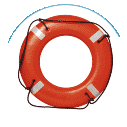
updated to include ownership of your spa or hot tub. Keep lifesaving
equipment nearby at all times in case of emergency; these items
should remain stationary and not be misplaced. Take a lifesaving
course – a wonderful gift to yourself and others.
Under the Influence
The spa is not a place
for alcohol and drugs. Hot water amplifies the effects of these
substances and cause nausea, dizziness or lightheadedness in
addition to the dangers of loss of consciousness or heart attack.
Some prescription and non-prescription medications can also similar
problems. Always consult with a doctor when taking medications and
using the spa.
A Secure Spa
Keep your hot tub securely
covered when not in use. A fence, wall or natural barrier should
completely enclose your spa or hut tub. Make sure that all doors and
gates leading to the spa or hot tub area are kept shut and
locked/latched when not being used and that locks and latches are
out of reach of toddlers.
Power Trip
To avoid electrocution, NEVER
handle a corded phone, radio, TV, hair dryer or any other electrical
device while you are in contact with water, when hands or feet are
wet, or when barefoot. Locate all electrical outlets a safe distance
away from your spa. Keep electrical devices away from the water, and
never place them on the spa edge.
Chemical Safety
Keep your spa chemicals and
supplies in a separate locked storage area away from the water and
out of children’s reach. Make sure that all chemical products are
clearly marked and that you've reviewed proper storage and usage
guidelines. Improperly mixing chemicals can be dangerous.
A good soak in your spa or hot tub is wonderfully warm and
relaxing. However; this same hot water can hold some potential
danger that you must be aware of. By becoming educated and following
these guidelines, your spa can be a safe and soothing oasis for all
who use it.
| |
|
|
|
|
Exercise and Your
Spa |
|
Spa
Etiquette | |